Spiderweb cracks, a slab sitting low by the garage, and a puddle that is still there on Wednesday.
Nobody grows up dreaming about driveways. You notice yours the day the mail truck knocks a corner off, or the day you realize you have started parking crooked to miss the dip.
We pour, pave and patch residential drives across the island, in whatever material the site actually calls for: a gravel driveway on a sloped lot up mauka, a stamped concrete driveway out front where the neighbors see it, plain gray where plain gray is the smart money.
Concrete driveway companies that pour over a base already breaking up are faster than us. That slab cracks along the same lines inside a year and you pay for it twice.
Below is each of those surfaces, a permeable driveway for a lot that ponds, what moves the price, and the questions we get asked most. Ring (808) 808-9481 and I will come stand on it with you.
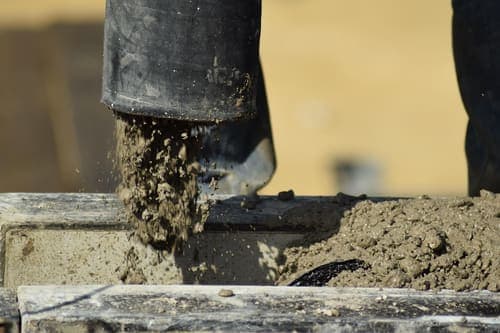
Gravel Driveway
A gravel driveway is still the sensible answer for a long back lane or a second access strip where asphalt would be overkill. We strip the soft stuff, lay filter fabric so the rock doesn't disappear into wet ground, then build up in lifts of angular three-quarter-inch crushed rock and roll each one tight. Angular, not smooth river stone. The sharp faces lock into each other; round stone rolls out from under a tire and ends up in your yard.
We crown the center so rain sheds to the shoulders instead of carving a gully down the middle.
Length, how much rock depth the ground demands, and access for the truck are what move the number here. Half the gravel work Honolulu Asphalt Paving takes on gets paved over later anyway, and a rock bed built right becomes what the asphalt sits on.
Repairing Concrete Driveway
Repairing concrete driveway panels makes sense while the slab under your feet is still solid, and plenty of concrete driveway companies would rather quote you a whole new pour than bother. What I will not do is smear patch material over a crack with rotten shoulders either side, because that lets go inside a season and takes a chunk of good concrete with it.
We saw a clean square around the failed area, pin into the sound slab so the patch cannot float, and pour back four inches over crushed rock.
A panel that has dropped is telling you the fill beneath it washed out. Fixing driveway surface over a void buys you nothing but a smoother place for the same crack to come back.
How many panels, how deep the damage runs, and whether a mixer can reach the work decide the size of the job.
Driveway Sealcoating Concrete
Driveway sealcoating concrete asks for a different product than asphalt sealer, and mixing those up is how people end up with a milky white film they can't scrub off. We wash first, degrease the oil drip where the truck parks, and let the slab dry all the way through, because sealing damp concrete in this humidity traps water under the film and it clouds inside a few weeks. Plenty of concrete driveway companies skip that drying time.
Cracks get cut and filled before anything goes down, never after. Then a penetrating silane soaks in, or an acrylic if you want the wet look, and on a sloped drive we broadcast grit into the acrylic so it isn't slick the first time the rain comes. Foot traffic that afternoon. Redone every three to four years. Size, staining and crack work move the price.
Permeable Driveway
A permeable driveway is what to ask about if your slab dumps half the sky into the street every time the rain comes down. Instead of a sealed surface tipped at the curb, we build a reservoir: open-graded asphalt or permeable pavers set over layers of washed stone with the fines screened out, so water drops through and soaks into the ground under your own property.
Dirt is what kills them. Landscape mud, sand off tires, silt washing down from a slope above will plug the voids, and a clogged porous drive sheds water like any other. So the surrounding grade gets edged or planted, and the surface gets a vacuum sweep now and then, never a seal coat. Sealing closes the holes you paid for.
Stone depth, how your soil drains and the fall across the lot move the price more than square footage.
Stamped Concrete Driveway
A stamped concrete driveway is the one way I know to get the look of cut stone without a hundred joints for weeds to move into. We pour the slab, broadcast color hardener, then stamp the pattern in the short window before the mix goes off, and in this sun that window shuts fast, so we start early and put enough hands on it to stamp the whole pour in one pass.
Stamp it late and you get a shallow, smeared print that no sealer will rescue.
Plenty of stamped concrete patio contractors only ever work under bare feet. A stamp concrete driveway takes truck weight, so it goes thicker, with the control joints cut to follow the grout lines where the eye won't catch them.
Size, pattern, color count and truck access change the concrete driveway cost per square foot.
Concrete Driveway Installation
A poured concrete driveway starts underneath, not at the mixer. We strip out the old surface, grade it so water runs off the slab instead of toward your garage, then roll coral base tight before a single form goes down. Mesh or rebar, a five inch slab, six through the apron where the truck wheels turn in, and control joints cut the same day so the concrete cracks on my line and not across the middle of your parking spot.
Broom finish, always. A slick trowel finish plus a wet morning is how people go down on their own driveways.
Size, truck access, how much material has to come out and how bad the grade is are what move the concrete driveway cost per square foot. Keep the cars off the fresh pour for a week.
What the job involves
What the job involves depends on whether we're fixing driveway edges or taking the whole slab out. Most driveways I look at get the same first hour: I check the fall, find where water stands after a shower, and break a hole in the base to see what's holding the concrete up. If the rock underneath is sound, repairing concrete driveway panels one at a time beats the cost to replace a driveway concrete pad outright.
If it's mush, we saw it out, regrade, roll the base tight and pour a four inch slab, thicker at the apron where a truck swings in. Size, access for the mixer, depth, and how beat up the old surface has got all pull the price around. Cure time before you park on it is longer than most folks plan for.
What it costs
What it costs comes down to four things: how big the driveway is, what's sitting under it now, whether we can get a truck close to the pour, and the finish you want on top. Folks ask about concrete driveway cost per square foot first, and I understand why, but that number slides around plenty. Hauling out a broken slab adds a day of labor and a dumpster.
A stamped concrete driveway needs pattern work and color, so it sits above a plain broom finish. A permeable driveway carries more stone underneath, and that stone isn't free. Repairing concrete driveway panels rather than replacing the whole run is usually the cheaper road when the cracking is still hairline. Give me a call at (808) 808-9481 with your address and I can put a real figure on it. Steep grades and tight side gates push it up.
When concrete driveways are the wrong fix
Sometimes concrete driveways are the wrong fix, and I say so before anybody sets a form. If your asphalt is solid underneath and only chewed up in a couple of spots, Asphalt Repair plus Sealcoating buys you years without a tear out, a dumpster or most of a week of staying off the slab while it cures.
Long, steep runs up toward Manoa often do better in asphalt as well, since it flexes with ground that shifts instead of cracking through a panel. If the drive is sound and the walk next to it is the thing catching toes, that is Concrete Sidewalks work. Widening an apron is Driveway Paving for less money. Small shop lots too, which is why Parking Lot Striping and asphalt usually land on one quote.
Demolition, hauling, mixer access and slope are what push a pour up.
Why choose us for this
You've got a driveway doing something it shouldn't, and what you want from whoever you pick for this is to sort it once and then not think about it again for years. Not to supervise anybody. Not to watch half a crew disappear onto another job across town with your forms still standing.
So here's the shortcut I skip on driveways: I won't pour fresh concrete over a base that's gone soft, and I won't feather patch material over a crack that has nothing solid under it. It looks tidy through one wet season, then it opens along the same line and you're fixing driveway concrete a second time.
When a quote comes in low, the base work is usually what's missing from it. My estimate costs you nothing, you're under no obligation to book, and the digging and grading are on the sheet where you can see them.
Frequently asked questions
Should I resurface my driveway or tear it out and start over?
If the base underneath is still solid, we resurface. That means milling off the failed top layer and laying new hot mix over it, which holds fine on driveways that are only cracking on the surface. If the base has gone soft, you'll see ruts under the tires and cracking that spiders out in patterns, and an overlay will split along those same lines by the first heavy wet stretch. That one needs a rebuild.
Will the paving equipment wreck my sprinklers or the sidewalk?
Almost never, because we plan around them before anything rolls. Mark your irrigation heads and any shallow lines for me and we'll work off them. The roller stays on the driving path, and the strongest thing your neighbors notice is tack coat smell for an hour or two.
Do you pour concrete, or just asphalt?
Both. We do concrete driveway installation, and a stamp concrete driveway when you want the pattern to carry through from the lanai, which is the same work people hire stamped concrete patio contractors for. Concrete has to have its joints cut the day it's poured. Skip that and it cracks where it likes instead of where you put the line.
Contact Honolulu Paving Co now
Contact asphalt paving contractors in Honolulu the same week you notice the problem, not the season after it gets worse. When we come out we walk the whole slab, watch where the rain runs off it, poke at the base under the worst corner and check what the tree roots along the edge are lifting.
That visit tells us whether you're looking at repairing driveway concrete in a panel or two, a fresh concrete driveway installation, or whether concrete driveway sealcoating buys the surface a few more good years first.
We pour patios as well, so if you've been ringing around for stamped concrete patio contractors, it's the same visit and the same crew.
Reach us at (808) 808-9481. We're on the phones nine to five on weekdays, weekends when a job truly can't sit.