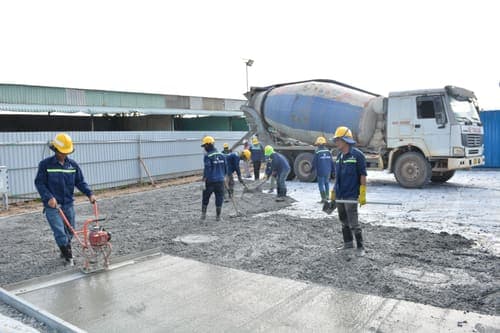
Driveway Paving in Honolulu, HI

Licensed and insured · Serving Honolulu, HI

Call (808) 808-9481

A driveway on Oahu takes punishment that mainland surfaces never see: salt in the air, sun that never eases off, and rain that comes in sideways. Sound driveway paving starts below the surface, which is true of every Honolulu Asphalt Paving job we take on, because a base built into Kahala clay behaves nothing like one cut into cinder up in Aiea. For a residential asphalt driveway here, two inches of asphalt laid and rolled tight over a properly prepared base is the normal standard, and it will hold fifteen to twenty years as long as water has somewhere to drain. Cut the base short and alligator cracking shows up within a few wet seasons, turning what should have been a small asphalt driveway repair into a full tear out. Grade, drainage, truck access and the condition of what is already there are what move the price.

Driveway paving in Honolulu, HI

Driveway

A driveway takes more punishment than most homeowners realize. It carries vehicle weight every day, sheds rain toward the street, and in Honolulu it does all of that under strong sun and heavy windward showers that soften binder and wash out anything sitting on a weak base. The surface you see is only the top inch or two; what determines how long it lasts is the compacted aggregate underneath and whether water is being moved away from it.

Driveway paving suits new construction, lots where an old slab or gravel apron has failed, and homes on grades where runoff needs to be controlled deliberately. Before quoting, we look at soil, slope, tree roots, and how the apron meets the county right-of-way, since the tie-in often dictates the whole layout.

Reseal Blacktop Driveway

Honolulu sun bleaches asphalt faster than most mainland climates, and salt air plus heavy afternoon showers keep working on any surface that has gone gray and porous. Most homeowners here reseal a blacktop driveway every two to four years, sooner on a west-facing slope with no shade. Preparation is most of the job: blow the surface clear, degrease oil spots, scrub back the edges where soil has crept in, then fill any crack wider than a pencil line. Sealer goes down in two thin coats, squeegeed or sprayed, and it wants a day or two of dry weather before vehicles come back on. Sealer laid over a dirty or damp asphalt driveway peels away in sheets within months. Square footage, crack volume and the amount of cleanup needed drive the price.

Cost To Replace Blacktop Driveway

Tearing out and replacing costs more than driveway resurfacing, because the old mat has to come off first. We saw cut the edges, break up and haul away the existing asphalt, then check the base for soft spots. Around Honolulu, tearout with new paving generally figures $4.14 to $6.96 for each square foot, so most residential jobs land from roughly $3,120 up to $9,360. A short, flat driveway with easy truck access stays near the bottom. A long or sloped one needing base rebuild, drainage correction or a thicker mat reaches the top, and wide premium installs clear $10,000. Tipping fees and barged in liquid asphalt keep the cost to replace blacktop driveway above mainland numbers. Call us with your address for a firm figure. Most jobs take one to three days including cure time.

Concrete Driveways

Concrete earns its place on steep grades, under heavy sun, and anywhere you want a surface that throws heat back instead of soaking it up. A residential pour is typically four inches over a compacted aggregate base, thickened to five or six where a truck or a boat trailer sits. We saw control joints within the first day so the slab cracks along the line we cut rather than straight across the middle. What you pay depends on square footage, slab thickness, reinforcement, whether the old surface has to come out, and the finish you choose, whether broom, exposed aggregate, or stamped. Concrete driveways ask more at the start than an asphalt driveway and less of you afterward. Plan on a few days of work, foot traffic in about a week, and vehicles near the 28 day mark.

Cement Driveway Contractors

Pouring concrete is easy; finishing it well is the part that separates crews. When you call cement contractors here, ask who is doing the actual float and trowel work, what mix strength is being ordered, and how the slab will be cured through an afternoon of Honolulu sun. Concrete that dries too fast on an exposed Kalihi lot will craze and crack inside the first season. Ask about control joint spacing, base prep, and whether the pour carries rebar or wire mesh. Concrete is unforgiving: once it sets, a mistake gets demolished, not patched. Since we do both concrete driveways and asphalt driveway paving, we will give you a straight answer about which material suits your grade, your drainage and your budget, instead of pushing the one we would rather pour.

Asphalt Driveway

An asphalt driveway is built in layers, and the one you never see does the most work. We dig out to firm subgrade, then place and compact four to six inches of crushed base, more where the soil stays soft or holds water, before laying hot mix in a bound course, usually two to three inches once compacted. On Oahu, drainage decides how long the surface lasts. Water trapped beneath the mat softens the base, and it shows up first as cracked edges and low spots that hold rain. Sloping the grade away from the garage and the driving lanes is part of driveway paving here, not an add-on. Most residential jobs run one to two days. Traffic stays off the new asphalt driveway for 48 to 72 hours, and parking in one fixed spot is worth avoiding through the first hot weeks while the mix cures.

Asphalt Driveway Cost

Most homeowners want a figure before anything else, so here is how the math runs. Asphalt driveway cost on Oahu is priced per square foot, and tearout plus new install generally falls between roughly $4 and $7, which puts most residential driveway paving in the $3,100 to $9,400 range, with a typical job landing near $5,500. Small, flat, easy access lots sit at the low end. Larger properties with heavy demolition, deeper base or a premium surface reach $8,000 to $10,800. Thickness drives the repave driveway cost more than anything else: skimp on the mat or the aggregate underneath and the surface looks fine the first week, then cracks after a few wet seasons. Hauling off old material, grading so water sheds instead of pooling, and truck access all shift the number, and steep valley lots run higher than open ground out in Kapolei.

Asphalt Driveway Contractors

Comparing bids is easier once you know what to ask about. Find out how deep the base course will be, what compacted thickness of asphalt you are actually getting, and whether a steel-wheel roller will be on site or just a plate compactor. Ask for the license number and confirm it covers paving work in Hawaii. Good driveway companies put the scope in writing: grading, base depth, edge treatment, and where water goes once it leaves the surface.

Failures in driveway paving almost always start underneath. Over the red clay soils common across Oahu, weak compaction shows up as ruts and alligator cracking within two or three rainy seasons, long before the asphalt has worn out on its own. That is the difference between asphalt driveway contractors who build a base and ones who only lay a surface.

Asphalt Driveway Repair

Most driveways fail in patches long before the whole surface wears out. Single hairline cracks can be routed clean and filled. Alligator cracking is a different animal, because water has already reached the base, so we saw-cut the failed section, dig out the soft aggregate, recompact and lay fresh hot mix. Potholes, sunken tire ruts and crumbling edges at the street apron get the same treatment. In Honolulu, heavy rain and red dirt washing out from under the slab are usually what started it, so we trace where the water runs before anything gets patched. Skip that and the patch lifts within a season. Most asphalt driveway repair takes a few hours to a full day, and the size of the base failure, not the surface area, drives what it costs.

Driveway Companies

Not every outfit with a truck and a hot box is doing the same work. The difference between driveway companies shows up under the surface: how deep the base course runs, whether the mat goes down in lifts with compaction after each one, and whether the grade carries water toward the street instead of letting it stand against the garage slab. Asphalt laid over soft, unprepared ground ruts and cracks into an alligator pattern long before it should, no matter how sharp it looks the day the crew rolls out. Be wary of anyone knocking with leftover mix going cheap, the oldest trick in driveway paving. We hold current Hawaii licensing, carry general liability and workers' compensation, pull permits where the county requires them, and put the base spec in writing on the estimate.

Driveway Resurfacing

Resurfacing lays fresh hot mix over an asphalt driveway that has worn thin and greyed out but still sits on a solid base. We usually mill an inch or two at the garage apron and along the street edge so the new mat ties in flush instead of forming a lip, sweep the old surface clean, spray tack, then place and compact an inch and a half to two inches of overlay. Most homes are back to normal use within a couple of days.

Driveway resurfacing only holds if the problem is on the surface. Where the base has gone soft, or potholes and alligator cracking keep coming back after asphalt driveway repair, an overlay will telegraph those same failures through. We probe the questionable spots first and say plainly when replacement is the smarter spend.

Overlay thickness, milling, and patching before paving are what move the cost.

Sealing Driveway Companies

Sealcoating varies more between crews than most homeowners expect, so ask a few pointed questions before booking. Sealing driveway companies should tell you how many coats they are quoting, whether the sealer is cut with water and by how much, and exactly what prep is included. Blowing off dust is not prep. Edging back the grass line, scrubbing oil stains and priming them is what lets the coat bond instead of peeling in sheets. Ask whether they squeegee or spray, since squeegee work pushes material down into the surface and generally wears longer on an asphalt driveway with daily traffic. Ask about cure time as well, because most sealers want a full dry day before tires touch them. Skip those three steps and the coat sheds within a season.

Cost To Replace Driveway

Full replacement is not just a new surface. The old pavement gets broken out and hauled off, the subgrade is checked and regraded, and the base is rebuilt before any hot mix goes down, so demolition and disposal carry the cost to replace driveway surfaces almost as much as the new asphalt does. Size and shape move the number first, then thickness of the old pavement, truck access, slope, and whether the ground underneath holds. Saturated soil near the shoreline or a soft cut on a Manoa hillside needs extra aggregate and compaction, and skipping that is why a fresh asphalt driveway cracks inside a season. Most residential tear-out and repave work takes two to four days on site, plus curing time before you park heavy vehicles on it.

Driveway Paving Contractors

Choosing between driveway companies comes down to what happens before the hot mix arrives. Ask what the base will be. On most Oahu lots that means excavating four to six inches, grading so water runs away from the house rather than toward the garage slab, and compacting a crushed rock base first. Ask who runs the roller, and whether the mat is machine laid or hand raked at the edges. Get the scope in writing: compacted thickness, base depth, edge detail, and how the tie-in at the street and garage is handled.

Be careful with door-to-door crews offering leftover material cheap. Licensed asphalt driveway contractors carry Hawaii liability insurance and can point you to finished driveway paving nearby, so you can see how their edges and seams have held up in the sun and rain.

Repave Driveway Cost

A repave strips the worn surface off, reworks and recompacts the base, then lays a fresh asphalt mat over it. That is why repave driveway cost swings so widely from one property to the next. The size of the area matters, but so does the volume of old material coming off the lot, since haul away and tipping fees at the transfer station are real line items and belong on a written estimate rather than buried at the bottom. Subgrade condition is the other variable, and nobody knows it for certain until the old surface is gone. A straight run to a two car garage prices out low. Steep grades, tight turnarounds, hand work along a rock wall, or soft ground needing excavation push an asphalt driveway well up the scale.

Concrete Driveway

A poured slab behaves nothing like asphalt, and the prep under it matters more than the pour itself. We excavate, compact the subgrade and lay a base course before forming. On lots sitting over old coral fill or soft red dirt, skipping that step is what produces the spider cracking you see across the island within a couple of years. Standard residential work is a four inch slab with fiber or rebar, going to five or six inches if a truck or trailer parks on it. Control joints every eight to ten feet make the slab crack where we choose. Figure two to four days on site, foot traffic after a week, vehicles at about ten days. Thickness, demolition and haul off, slope and finish move the price.

Driveway Paving Companies

When you call around, most driveway companies will quote a price per square foot and leave it at that. Ask what is underneath it: base depth, whether the existing surface is being removed or paved over, compaction equipment, and how the edges will be finished. On Oahu, ask specifically where water goes during a heavy trade-wind shower, grade is what separates a driveway that lasts fifteen years from one that alligators in five. Confirm the contractor holds a current Hawaii license and carries liability insurance, and get the scope in writing rather than on a business card. Reputable asphalt driveway contractors will tell you plainly if resurfacing is the wrong call and a full replacement is the honest answer. We are happy to be measured that way.

Asphalt Driveway Repair Cost

Asphalt driveway repair cost is worked out from the size and depth of the failure, not the whole surface. Cracks are measured by the linear foot. Potholes, alligatored areas and soft spots are measured by the square foot. Small visits carry a minimum charge, since the crew, the truck and a load of hot mix cost about the same whether we patch ten square feet or fifty. Once the damage spreads beyond isolated patching, driveway resurfacing becomes the sensible scope and the pricing changes with it.

The bigger variable is the base. Where Honolulu rain has washed material out from beneath the asphalt driveway, we dig out, recompact and rebuild before new mix goes down. A patch dropped over a failed base looks right for a season, then settles into the same hollow.

What the job involves

Most driveway paving here starts with demolition. The old asphalt, a cracked slab, or loose coral fill gets broken out and hauled off. We then cut the subgrade to depth, compact it, and build a crushed base rock section rolled in lifts so it locks up tight. The base carries the load, not the surface. Skimp there and soft spots telegraph through as alligator cracking after a season or two of Honolulu rain, which turns new work into an asphalt driveway repair far sooner than it should be. Hot mix goes down in one or two lifts, rolled while still hot and pitched so water sheds to the street or a swale rather than your garage. Square footage, truck access, how much old material comes out, and any drainage work all drive the asphalt driveway cost. Most homes are a one to two day job.

What it costs

Square footage is the starting point, but two driveways of the same size can price very differently. The biggest factor is how much failed material has to come out and what condition the base is in underneath. Driveway resurfacing costs less than a full tear-out because the existing base stays where it is and we lay a new mat over it. A full replacement means excavation, hauling, and rebuilding from the subgrade, and disposal fees on Oahu add up fast on removals.

After that it comes down to grading and drainage work, the thickness of the asphalt, and truck access. A tight lot in Manoa or a steep approach adds labor and time. Long runs, a heavier mat, or a base rebuilt from scratch sit at the top end of asphalt driveway cost.

Why choose us for this

You have a driveway that is spidering at the edges, ponding after every afternoon shower, and you want to hire somebody once and not look at it again for years. That is a fair thing to want, and most of what goes wrong in this trade has nothing to do with asphalt.

So, plainly, here is what we will not do:

No number that quietly grows: the figure we give you holds unless the scope changes or we find soft base under the old mat, and you hear about that before we go further.

No vanishing crew: we book Honolulu Asphalt Paving work one drive at a time, so nobody leaves your job half rolled to start another.

No signature today: the estimate is free and you owe us nothing after it.

No mess: grass edges cleaned, tack and millings hauled off.

We are not the cheapest quote you will get. Established paving outfits here average about 15 years trading, and there is a reason the cheap ones are not among them.

Frequently asked questions

How much does driveway paving cost here?

We price by the square foot, and the swing comes from what is under the old surface. A straight overlay on a sound base costs less than a tear out where the coral subbase has pumped up through the mat. Access matters too, since a narrow Manoa or Kaimuki drive means barrow work instead of running the paver. Call us and we will measure yours and give you a firm figure.

How long will new asphalt last?

Fifteen to twenty years on a residential drive, provided the base was compacted properly and you seal it every three to four years. Honolulu sun oxidises blacktop faster than mainland climates, and salt air near the shoreline speeds that up.

When can I park on it again?

Keep vehicles off for 48 to 72 hours, and avoid turning your wheels while stopped for the first month.

How do we begin?

Call Honolulu Asphalt Paving and we will schedule a site visit.

HONOLULUPAVING COHONOLULU, HI