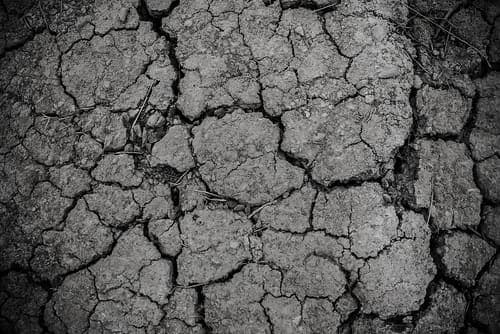
Crack Filling in Honolulu, HI

Licensed and insured · Serving Honolulu, HI

Call (808) 808-9481

Water is what destroys asphalt here, and every crack is an open door for it. Crack filling is the cheap step that stops a hairline split from spreading into alligatored pavement that has to be saw cut and replaced, the point where crack repair becomes asphalt paving in Honolulu with new hot mix. We take on asphalt crack repair for residential driveways, condo and apartment lots, church and school parking areas and commercial approaches, from Hawaii Kai through Kalihi and out to Kapolei and the North Shore.

Most surfaces on this island need looking at every year or two. Trade wind downpours, salt air and roots from nearby monkeypod and plumeria open a driveway crack faster than owners from the mainland expect. What you pay depends on total linear footage, how wide and deep the cracks have grown, and whether weeds and old failed filler have to be cleared out first.

Crack filling in Honolulu, HI

Fixing Cracks In Cement

Concrete moves differently from asphalt, so fixing cracks in cement means different material and different prep. We open the crack with a saw or grinder to give the sealant a clean channel, blow the dust out with compressed air, set backer rod in anything deeper than roughly half an inch, and fill with a flexible polyurethane or self levelling sealant that stretches with the slab instead of lifting the first hot, dry week. A hairline shrinkage line in a lanai or walkway is quick work. A wide crack with one side sitting lower than the other says the base beneath the slab has washed or settled, and that changes both the repair and the price. Half a day is typical, with foot traffic back on it by afternoon. Skip the cleaning and the sealant never bonds to dirty edges, so the repair opens again within a season.

Pavement Sealing

Sealing is what protects the repair once the joints are closed. On a parking lot or a long driveway we finish the crack filling first, let the material cure, then squeegee or spray emulsion across the full surface so the patched lines are not left bare to sun and salt air. Honolulu pavement absorbs heavy UV all year, and unsealed asphalt greys out and ravels quickly in that climate.

Pricing on pavement sealing follows square footage, how much oil spotting needs priming, the hand work around curbs, planters and gate posts, and whether the lot takes one coat or two. Keep traffic off it for a full day in dry weather. Sealer laid too thick, applied on a cool morning, or spread over dusty asphalt will track, peel and waste the repair underneath.

Crack In Sidewalk

A crack in sidewalk concrete is a different problem from one in a driveway, because the panel is public-facing and a lip of a quarter inch or more becomes a trip hazard someone can make a claim over. We look at width, depth and whether the two sides have shifted vertically. Hairline and moderate separations get routed square and filled with a flexible urethane or polyurea sealant that moves with the slab instead of popping out the first hot afternoon. Where a tree root or washed-out base has lifted one side, filling only hides it, that panel needs grinding, mudjacking or replacement. Most walkway crack filling is a same-day job, priced by linear foot, with cost driven by length, joint width and how much saw work the repair takes. Foot traffic can usually resume within a few hours.

Fixing Driveway Cracks

Driveways on Oahu split for a short list of reasons: sun baking the surface grey and brittle, rain undercutting an unsupported edge, salt air, and roots lifting from below. Fixing driveway cracks starts with reading which one you have. Fine hairline checking across the top is cosmetic. Once a single driveway crack opens past a quarter inch, water is reaching the base, and that is where a simple repair turns into a rebuild.

The work itself is direct. We rout or wire wheel the opening into a clean channel, blow out dust and loose crumbs, then fill with a hot rubberized product that flexes as the surface moves with the heat of the day.

Linear footage, width and how much routing is needed move the price. Crack filling dropped into a damp or dirty channel lifts out within a season, so prep takes longer than the fill. A typical home asphalt crack repair finishes inside a day.

Seal Driveway Cracks

Water does the damage here, not sun. A quarter inch gap lets an afternoon shower run straight past the asphalt and into the base underneath, and once that base softens you get alligator cracking, low spots and eventually a hole that costs many times what the original repair would have. That is why sealing driveway cracks early is the least expensive work in paving.

We rout or wire wheel the crack open to a clean edge, blow it out with compressed air so the sealant bonds to bare asphalt instead of dirt and old vegetation, then fill with hot rubberized material that stays flexible as the slab moves. A typical driveway takes two to four hours, and you can park on it the same day once the sealant has set and cooled.

Price follows total linear footage, crack width and how much cleaning the joints need.

Seal Cracks

Sealing is what stops a hairline opening from turning into a pothole. Water that gets past the surface soaks the base, and on Oahu's wet windward slopes that base stays soft long enough for edges to crumble under traffic. We seal cracks between roughly an eighth of an inch and an inch wide; anything wider or spidered into alligator patterning needs patching instead.

The work is straightforward but unforgiving of shortcuts. Cracks get routed or wire-wheeled, weeds and old failed material removed, then blown clean with compressed air so the sealant bonds to bare asphalt rather than dust. Hot-applied rubberized sealant is squeegeed flush or slightly overbanded and sets in under an hour.

Skip the cleaning step and the crack filling peels out within a season, usually after the first heavy rain.

Asphalt Crack Repair

Cracks in asphalt start small and rarely stay that way. Honolulu's mix of intense UV, salt air and sudden downpours breaks down the binder holding the aggregate together, and once water gets past the surface it saturates the base and the edges begin to crumble. Asphalt crack repair addresses that opening before it turns into a pothole or an alligatored patch that needs cutting out and replacing.

We work on cracks roughly a quarter-inch to an inch wide. Anything narrower will not accept material; anything wider or spidered across an area is a base problem, not a crack filling job, and we will tell you that rather than pour sealant into it.

Expect pricing by the linear foot, with the total driven by crack width, total footage, how much vegetation and debris has to be cleared out first, and whether the cracks need routing to create a clean reservoir. Filling a dirty or damp crack is the most common failure we see, the sealant never bonds, it lifts within a season, and the water finds its way back in.

Cement Driveway Crack Repair

Concrete moves and wears differently from asphalt, so cement driveway crack repair calls for its own prep and its own materials. We open the crack with a saw or grinder to give the sealant clean sidewalls, vacuum the dust out, drop backer rod into anything deeper than roughly half an inch, then fill with a self-levelling polyurethane or a polymer-modified patching mortar depending on the width and whether the slab is still shifting. Skipping the routing is the common failure. Sealant smeared over a dirty hairline crack lifts within a season of Honolulu sun and rain.

Pricing runs by linear foot, so the length of the crack, how wide and deep it has opened, and how many separate breaks there are all move the figure. Most jobs wrap in a day, with foot traffic that afternoon.

Driveway Sealing Companies

Not all driveway sealing companies handle cracks the same way, and the difference shows up fast in Honolulu's sun and rain. Before you hire anyone, ask what they do with the cracks before the sealer goes down. A quick brush of sealer over an open joint bridges it for a few weeks, then the crack telegraphs right back through, you paid for a coat that hid the problem instead of fixing it. Proper crack filling means routing or blowing out the channel, drying it, and packing it with hot-pour rubberized material that flexes as the slab moves.

Also worth asking: is the sealer diluted, how many coats, how long before you can park on it, and are they licensed and insured to work in Hawaii.

Sealing Foundation Cracks

Where a driveway or walkway meets the house, the joint between slab and foundation wall opens up as the two move at different rates. Honolulu's rain finds that gap fast, and water running down the wall undermines the base course, softens the soil and invites termites. Sealing foundation cracks along that perimeter means routing or cleaning out the joint, drying it, backing it with foam rod where it is deep, then filling with a flexible polyurethane or self-levelling sealant that stretches instead of splitting. Expect most perimeter work to run a few hundred dollars depending on linear footage, joint width and access; a typical residence is a half-day job. Be clear on one point: a structural crack through the foundation itself is a different trade, and we will tell you when to call one.

Driveway Seal Coating

Driveway seal coating comes after crack filling, never in place of it. Sealer sits about as thick as a coat of paint, so it slumps into any open driveway crack and splits again within a few weeks. Every joint gets filled and left to cure first. Then we blow the slab clean, scrub oil spots with degreaser and prime them, cut the edges in by hand along garage aprons and walkways, and squeegee or spray two coats.

Most Honolulu residential driveways are done inside a day. Walk on it that evening, park on it the next morning.

The cost tracks the area being coated, whether it takes one coat or two, and how much oil, moss and creeping vegetation has to come off before anything goes down.

Laid too heavy, or rolled over asphalt that is still damp from an overnight shower, it peels in sheets, tracks black onto the garage floor, and fades gray within a season. That is why the established crews here, most of them about fifteen years into the trade, watch the weather more closely than the clock.

Chip Seal Driveway Cost

Chip seal is quoted on area, and resurfacing work on Oahu tends to land between $4 and $7 per square foot, so most residential driveways come in somewhere around $3,100 to $9,400. A short two-car pad sitting on a sound base, one application, straight shot for the truck, sits at the bottom of that. What pushes a job toward the top is length, a steep grade, tight access in neighborhoods like Manoa or Kalihi, a double application, or a specialty aggregate color. Call us and we will price your driveway rather than guess at it, and ask us to itemize prep, because crack filling comes first. Emulsion sprayed over an open driveway crack will show through the new surface inside a season. Most homes get sprayed, chipped and rolled the same day, then slow driving for a week and a sweep for loose stone.

Jet Black Seal Coating

That deep black finish everybody wants comes from the sealer itself, not from a dye, a properly mixed asphalt emulsion with the right sand load dries to a uniform jet black seal coating that hides patches and old crack filling lines. Two thin coats hold that color far longer than one heavy one, which tends to skin over, stay soft underneath and print tire marks the first hot afternoon. Honolulu sun is hard on it: expect the richest black for roughly the first year, fading toward charcoal after that. Surface prep decides everything. Sealer laid over red dirt, oil spots or damp pavement peels in sheets. Allow 24 hours before driving on it, longer if trade winds die down and humidity sits high.

Driveway Crack

A driveway crack starts as a hairline split in the surface course, usually where the asphalt has gone brittle from constant sun or where water has been sitting after an afternoon downpour off the Ko'olau. Left open through a few wet seasons on O'ahu, it lets water reach the base, the base softens, the edges ravel, and you end up with a pothole instead of a line. Width tells you what you need. Anything from about a quarter inch to an inch is a good candidate for crack filling with hot-pour rubberized material, and it can be walked on within the hour. Wider than that, or with crumbling edges and loose pieces, and the honest answer is a saw-cut patch rather than filler that will sink in a month.

Seal Coating Asphalt

Seal coating and crack filling belong to the same job, just in the right order. We rout, blow the joints clean and fill them first, then let the hot rubber set before any sealer touches the surface. Coat over an open joint and the sealer slumps into the void, the line ghosts back through within weeks, and water still reaches the base.

On Oahu we favour asphalt emulsion over coal tar. It holds up better under constant UV and smells far less around homes and school lots. Two thin coats, sprayed or squeegeed onto a dry surface with no rain in the forecast, is what gives you that even jet black seal coating finish.

Cost moves with total area, oil spots that need primer, hand cutting along edges and garage aprons, and how much asphalt crack repair came first. Foot traffic at 24 hours, vehicles at 48.

What the job involves

Crack filling starts with cleaning, not sealant. We blow the channel out with compressed air, cut back grass and roots that have worked into the opening, and on wider or ragged breaks we route the crack down to a clean square edge so the material has something to grip. Hot pour rubberized sealant goes in at temperature, slightly overfilled, then squeegeed flush. Openings from roughly a quarter inch to an inch wide are good candidates for asphalt crack repair. Anything wider, or spongy when you step on it, needs a patch rather than a fill.

A standard home driveway runs two to four hours and takes traffic the same day. Price follows linear footage, crack width and how much prep the surface needs. Sealing a damp or dirty driveway crack is the usual reason the repair opens back up within a season.

What it costs

Crack filling is priced by the linear foot with a minimum charge that covers bringing the crew and the hot rubber kettle out to your property. A few cracks on a short residential drive lands near the same figure as a full morning of work, so it pays to have everything handled in one visit.

Width and depth move the number more than total length. A hairline driveway crack routes out fast, while an alligatored patch a few inches across needs cutting, blowing clean and several passes of material. Access, roots lifting from below, standing water and the sand and cinder packed into the joint all count. Compare that to repaving, which in Honolulu runs roughly $3,120 to $9,360, or resurfacing at about $4.14 to $6.96 a square foot. Most driveways finish in a few hours and cure the same day.

Why choose us for this

You have got cracks opening up across a driveway or lot, water running into them every time a squall comes over the Ko'olau, and you would like to hire someone once and not think about it again for a few years.

What we will not do:

Quote low, bill high: the number on the written estimate is the number on the invoice unless you add work.

Leave mid-job: our crew stays on your surface until the last joint is filled, not parked while another job starts.

Push you to sign today: the estimate costs nothing, carries no obligation, and is still good next week.

Leave the mess: routing dust and sealant scraps get swept and hauled off.

We are not the cheapest bid you will take. Routing a crack to a clean reservoir and filling it hot takes longer than squeezing cold filler from a jug, and it is the difference between two years and five. Crack filling is also the honest first step before any wider asphalt paving in Honolulu we might quote you later.

Frequently asked questions

How much does crack filling cost?

Price comes down to how many linear feet of cracking you have, how wide the cracks run, and whether they need routing out first. A quarter inch gap takes hot rubber straight in; anything wider or crumbling at the edges has to be cut clean and blown out. Call us with the address and we will price your drive or lot.

Do I need filling or a whole new surface?

Filling handles isolated cracks in sound asphalt. Once more than a third of the area is alligatored and flexing underfoot, you are into asphalt paving in Honolulu rather than a repair, because sealant over a failed base just cracks again by the next wet season.

How do we get started?

Call us and we will look at the pavement, usually within a few days. Most driveways are filled and back in use the same afternoon.

HONOLULUPAVING COHONOLULU, HI